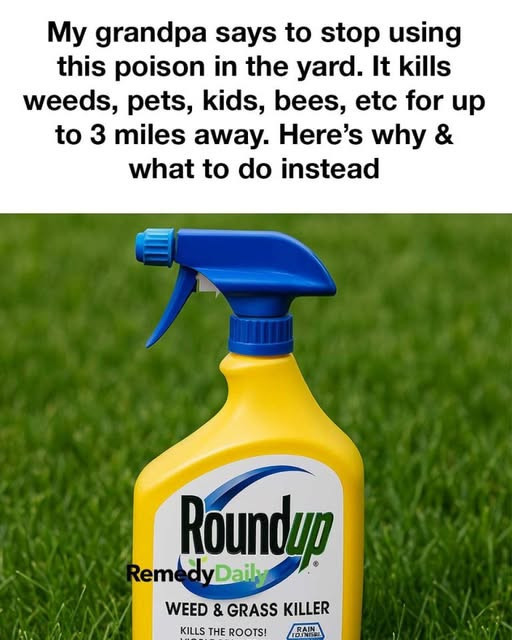
Harm to Pollinators and Wildlife: Glyphosate is often used in conjunction with herbicide-resistant crops, which can reduce habitat diversity and food sources for pollinators like bees and butterflies. A 2018 study published in Environmental Pollution found that glyphosate exposure impaired the navigation and foraging behavior of honeybees.
Water Contamination: Glyphosate residues can leach into groundwater or be carried into lakes and rivers by rainfall runoff, affecting aquatic life. The U.S. Geological Survey (USGS) has detected glyphosate in 60-100% of air and rain samples in some agricultural regions.
3. Legal Battles and Regulatory Scrutiny: A Sign of Trouble
The controversy surrounding glyphosate is not just scientific—it’s also legal and regulatory. Thousands of lawsuits have been filed against Monsanto/Bayer by individuals claiming that glyphosate exposure caused their cancers, particularly non-Hodgkin lymphoma.
In a landmark 2018 case, a California jury awarded $289 million to Dewayne Johnson, a school groundskeeper who developed cancer after using Roundup for years. Though the amount was later reduced on appeal, the ruling opened the floodgates to more litigation.
As of 2024, Bayer has faced over 100,000 lawsuits and agreed to pay more than $10 billion in settlements.
Several countries, including Germany, Austria, and Vietnam, have banned or restricted glyphosate use, and some U.S. states and cities (e.g., Portland, Seattle, and Los Angeles) have enacted local bans or limitations.
4. Resistance and Ineffectiveness Over Time
Ironically, over-reliance on glyphosate has led to the evolution of glyphosate-resistant weeds, requiring even higher doses or combinations with more toxic herbicides. This chemical treadmill not only reduces Roundup’s effectiveness but also escalates environmental and health risks.
5. Safer Alternatives Exist
There are numerous eco-friendly alternatives to Roundup that are just as effective for residential weed control, including:
Manual weeding and mulching
Vinegar-based or citric acid-based herbicides
Flame weeding
Using ground covers to suppress weeds naturally
These methods are safer for people, pets, pollinators, and the planet.
Health Risks Associated with Glyphosate
Glyphosate has been classified as a ‘probable human carcinogen’ by the International Agency for Research on Cancer. Studies have suggested a link between glyphosate exposure and an increased risk of non-Hodgkin lymphoma. Additionally, there are concerns about its potential to disrupt endocrine functions and its presence in food and water supplies, raising questions about long-term health implications.