Environmental Impact of Chemical Herbicides
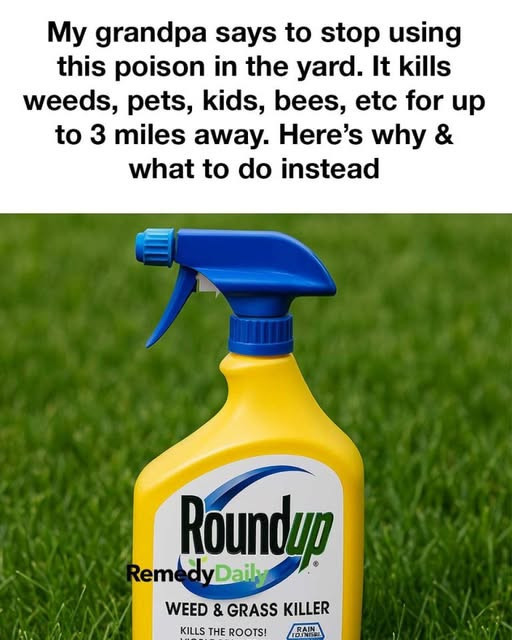
Chemical herbicides like Roundup can have detrimental effects on the environment. Glyphosate is known to affect non-target plant species, leading to reduced biodiversity. It can also harm beneficial insects, such as bees and butterflies, which are crucial for pollination. Furthermore, glyphosate can leach into water bodies, affecting aquatic life and potentially entering the human water supply.
The Effect on Soil Health and Biodiversity
The use of glyphosate can lead to a decline in soil health by disrupting the microbial communities essential for nutrient cycling. This disruption can reduce soil fertility and hinder plant growth. Additionally, the reduction in plant diversity caused by glyphosate can negatively impact local wildlife, which relies on a variety of plants for food and habitat.
Legal and Regulatory Issues Surrounding Roundup
Roundup has been the subject of numerous lawsuits, with plaintiffs claiming that exposure to the herbicide caused cancer. These legal battles have resulted in significant settlements and have prompted regulatory bodies to reevaluate the safety of glyphosate. Some countries have already banned or restricted its use, reflecting the growing concern over its potential risks.
Alternatives to Roundup: Safer Solutions for Weed Control
There are several safer alternatives to using Roundup for weed control. These include organic herbicides, manual removal methods, and the use of mulch to suppress weed growth. By exploring these options, homeowners can maintain a healthy yard without relying on potentially harmful chemicals.
Organic and Natural Weed Control Methods
Organic and natural weed control methods focus on using non-toxic substances and practices to manage weeds. Vinegar, salt, and essential oils are popular natural herbicides that can effectively kill weeds without harming the environment. Additionally, practices such as crop rotation, cover cropping, and maintaining healthy soil can naturally suppress weed growth.
Implementing Integrated Pest Management Strategies
Integrated Pest Management (IPM) is a holistic approach to pest control that combines multiple strategies to manage weeds and pests sustainably. IPM emphasizes prevention, monitoring, and the use of biological controls, such as introducing natural predators to manage pest populations. By adopting IPM, homeowners can reduce their reliance on chemical herbicides and promote a healthier ecosystem.
Conclusion: Making Informed Choices for a Healthier Yard
As awareness of the potential risks associated with chemical herbicides like Roundup grows, it’s essential for homeowners to make informed choices about lawn care. By understanding the health and environmental impacts of these products, exploring safer alternatives, and adopting sustainable practices, we can create healthier yards that benefit both people and the planet. Listening to the wisdom of experienced gardeners, like my grandpa, can guide us toward more responsible and effective yard management.