Top Reasons to Stop Using Roundup
1. Health Risks: Growing Scientific Evidence of Glyphosate’s Harm
Numerous peer-reviewed studies and public health investigations have raised red flags about glyphosate’s potential to cause harm to human health. In 2015, the World Health Organization’s International Agency for Research on Cancer (IARC) classified glyphosate as “probably carcinogenic to humans” (Group 2A). This classification was based on “limited evidence” of carcinogenicity in humans and “sufficient evidence” in experimental animals.
A major 2019 meta-analysis published in Mutation Research found that high exposure to glyphosate was associated with a 41% increased risk of developing non-Hodgkin lymphoma (NHL).
Epidemiological studies have also linked glyphosate exposure to reproductive issues, hormonal disruptions, DNA damage, and chronic kidney disease, particularly in agricultural workers and populations in glyphosate-intensive regions.
Even home users may not be safe. Glyphosate can remain in the soil and on treated plants for days, and exposure can occur through inhalation, skin contact, or accidental ingestion—especially concerning for children and pets who play in treated areas.
2. Environmental Damage: More Than Just Weeds Are at Risk
While glyphosate targets weeds, it does not discriminate against beneficial plant life or soil organisms. The consequences can ripple through the ecosystem in several ways:
Soil Microbiome Disruption: A 2016 study published in Environmental Sciences Europe showed that glyphosate can harm beneficial soil bacteria, such as nitrogen-fixing organisms, disrupting nutrient cycling and soil fertility.
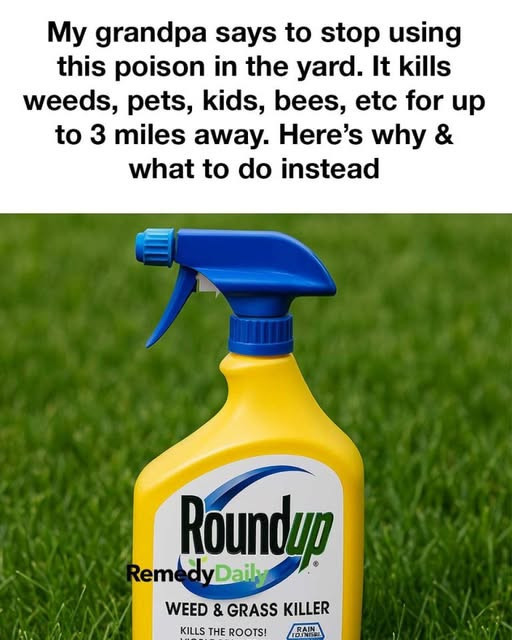
My grandpa says to stop using this poison in the yard. Here’s why
Many homeowners strive for a pristine, weed-free lawn, often turning to chemical solutions like Roundup to achieve this goal. However, there is growing concern about the safety and environmental impact of such products. My grandpa, a seasoned gardener, insists that these chemicals are more harmful than beneficial. He believes that the long-term consequences of using chemical herbicides outweigh the short-term benefits of a weed-free yard. Understanding these concerns is crucial for making informed decisions about lawn care.
The Dangers of Using Roundup in Your Yard
Roundup, a widely used herbicide produced by Monsanto (now owned by Bayer), contains glyphosate as its primary active ingredient. While glyphosate is highly effective at killing broadleaf weeds and grasses, mounting scientific evidence and global scrutiny have raised serious concerns about its long-term safety. Though convenient for homeowners and gardeners, the hidden costs of using Roundup in your yard may far outweigh its short-term benefits.